If you've gotten to the point where you don't know what else to do for your teenager, whether this is your first time looking for help or your fifth, this video is for you. I'm going to show you the two reasons we believe treatment doesn't hold and what we've measured when we fix both. I'm Brian Carlisle.
I run Horizon. Horizon is treatment for kids and teenagers here in the Phoenix area, from a residential level all the way down through outpatient with the same team the whole way. Before Horizon, I spent 15 years on a fire truck as a captain paramedic with Phoenix Fire, five years as an ER nurse, and five more years as a nurse practitioner with my own patients.
I started this place because I kept seeing these kids on the street, in their houses, in the ER, and watching a broken system hand them right back. You've heard enough promises, so here's a measurement instead. Of the children we've put through a real diagnostic screening here, objective testing, not an interview, more than nine in 10 came in with a diagnosis list that did not match the testing.
Three out of four of them were taking a medication for the diagnosis that the testing didn't support. If you've ever felt like everyone treating your child is just guessing, that's the number behind the feeling you have. I'll walk you through why treatment doesn't hold, what Horizon does differently, what we've measured, what it costs, and the one thing to do when this video ends.
Why Treatment Doesn't Hold
In our experience, when treatment doesn't hold, it's almost always one of two things. The first reason is that they were treating the wrong thing. Someone meets your child for an hour, hears the symptoms, picks a diagnosis from a manual, and then a prescription follows that diagnosis and label.
But nobody ever tested whether the label was right. You can do everything for the wrong diagnosis, and it's not going to help. The second reason, we believe, is the handoff or the step down.
Your child gets better inside walls or a program and then gets sent home or transferred to a different organization with a folder of records to people who have never met her, and they often just start over. One of the most fragile moments in our experience isn't admission. It's the step down or transfer process.
Whether this is your first program or your third, ask every program two questions, including us, did anyone ever test the diagnosis? And what happens the week that she's discharged and come home? Both are fixable. Almost nobody fixes both within the same organization. We built Horizon around both of these.
How Horizon Approaches Diagnostic Screening
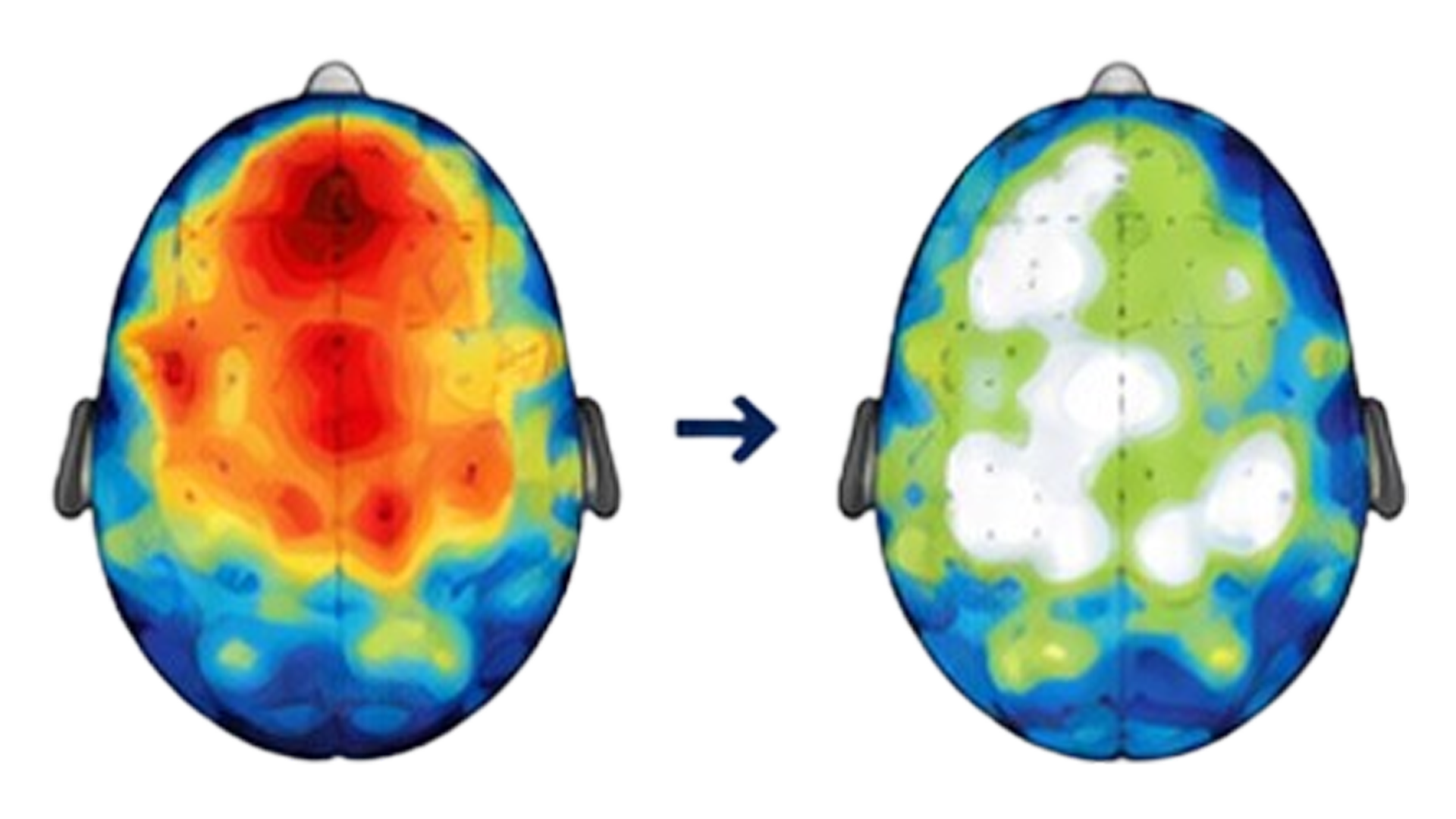
Here's how we fix the first one, the wrong label. In the first 72 hours, your child can go through a screening from our neuro program, our brain-based testing program. Three separate tests, none of them know what the other two said.
The first is a brain wave map. It's made with 19 sensors and a cap. The second is a validated questionnaire that catches a teenager exaggerating or hiding things.
And the third is a behavior rating from both you and your child independently. All three are read by our neuropsychology team, not by a software or an algorithm. And then every diagnosis your child arrived with gets rated against all three.
They will get scored as either strong support, mild support, or no support. Sometimes the data supports exactly what the child is on and their diagnosis. At least then you know, instead of just hoping that the diagnosis is right.
This screening is optional and your child will get the full Horizon program, whether you choose to participate or not. Our video on the neuro program is right next to this one. Here's how we fix the second one, the handoff.
One Team Throughout Treatment
We keep one team, one record, one treatment plan all the way down. It starts with residential. And then when she's ready, she steps down to partial hospitalization where she could be home at night and then intensive outpatient, then regular outpatient with the same team the whole way.
Your child doesn't leave residential until the next step is confirmed in writing with a named provider on a date. And you've met that provider. Now let's talk about the house itself.
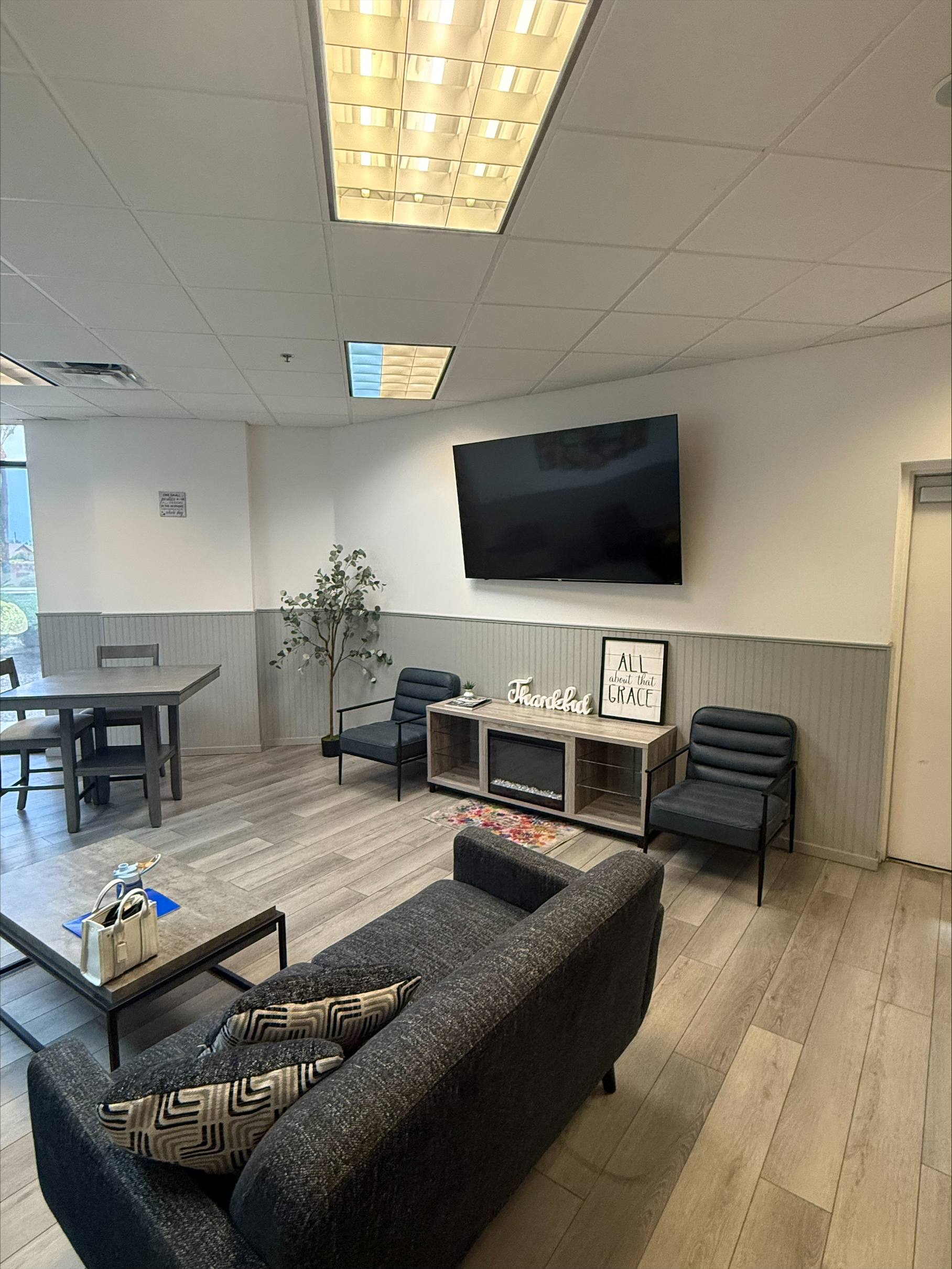
Our homes are real houses in real neighborhoods. They are eight to 10 kids in a house with four to six trained adults with them throughout the day. Our standard is at least two master's level therapists in every house, each with a hard cap of five kids.
Psychiatry at Horizon is in house. School keeps going on when you're here with our accredited program, weekly family therapy is required. And if vaping weeds or pills are part of the picture, that's treated here as well within the same team and the same plan.
What We've Measured
Here's what we measured with the counts on the screen. We measured nearly 600 young people, median age is 15 with close to three diagnoses on arrival and whether they come back of everyone we've ever served, about one in 10 come back within 90 days. That means nine in 10 did not.
These numbers are not a promise about your child. They're what we've measured. Your residential stay will be billed to your insurance.
Insurance and Financial Information
We work with most commercial insurance plans. We don't take access, Arizona's Medicaid, and I'd rather you hear that from me right now. On the first call, we will start verifying your benefits.
That's us calling your plan to find out what it covers and what you would owe at no charge team. And you'll get a written number from us before anyone ever asks you for a decision. If your plan denies treatment during the stay, we will file the appeal at no charge.
Now let's talk about the money fear. For every family who admits to our residential program, I sign a written service guarantee. Every promise we make you and your child is numbered.
If we miss one, or if you believe we missed one, you get paid back what you paid us out of your pocket. Your judgment governs, not ours. It covers what we do, how we treat you, not your child's outcome.
No honest program can guarantee an outcome. So far, we've had one family call it in. We missed.
We paid them back. Our video on the guarantee is right next to this one. Here's exactly what happens next.
What Happens Next
Book a clinical assessment with the button under this video. A real person calls you back within 30 minutes during business hours and within 12 hours if it's after hours. That call will be about whether we are the right clinical fit for your child, not about pressuring you to say yes.
If we're not the right fit, we help you find who is. None of it costs you anything. If your child is in a hospital right now, say so when you book.
We can usually admit the same day or the next day if there's a bed open and we'll come pick her up ourselves. I'm not asking you to say yes or no today. I'm asking you to make an informed decision about who you trust your child and your money with off of measured results, not a brochure and a phone call.
And if there's another parent in this decision, send them a link to this video before the call. Starting treatment carries risks, but waiting to start treatment also carries risks. Only one of them moves your child toward where you want her to be.